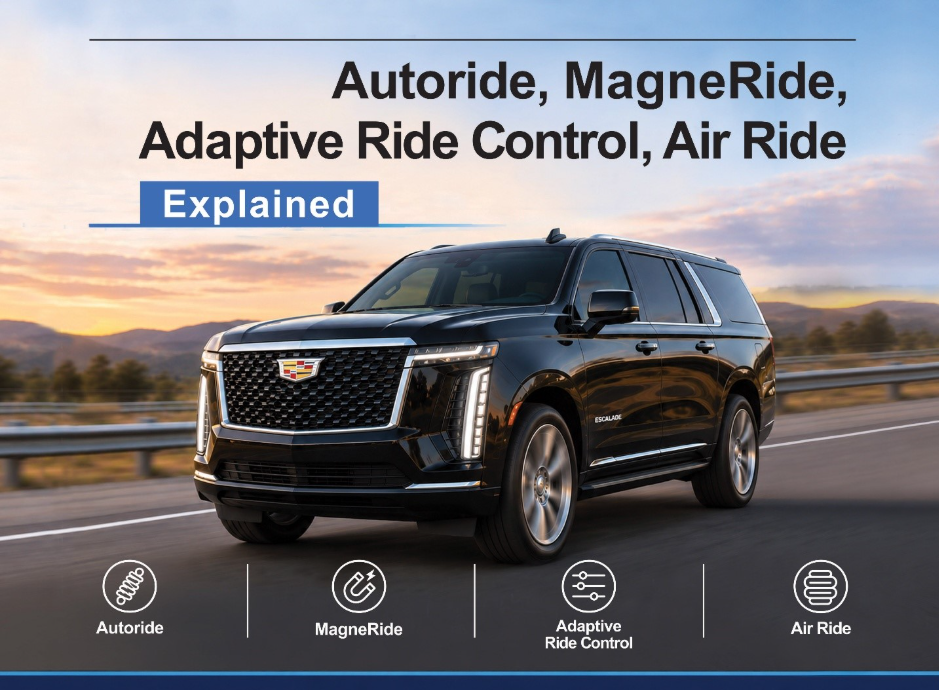
Suspension Elementary: Autoride, MagneRide, Adaptive Ride Control & Air Ride Explained
GM has used several electronic suspension systems across its Chevrolet, GMC, and Cadillac lineup. The names can be confusing—especially because Adaptive Ride Control on a Silverado or Sierra is not the same as four-corner Air Ride Adaptive Suspension on a newer Tahoe or Yukon.
Here’s how to tell the difference before choosing a lift, level, or lowering kit.
2019–2026 Silverado & Sierra 1500: Adaptive Ride Control
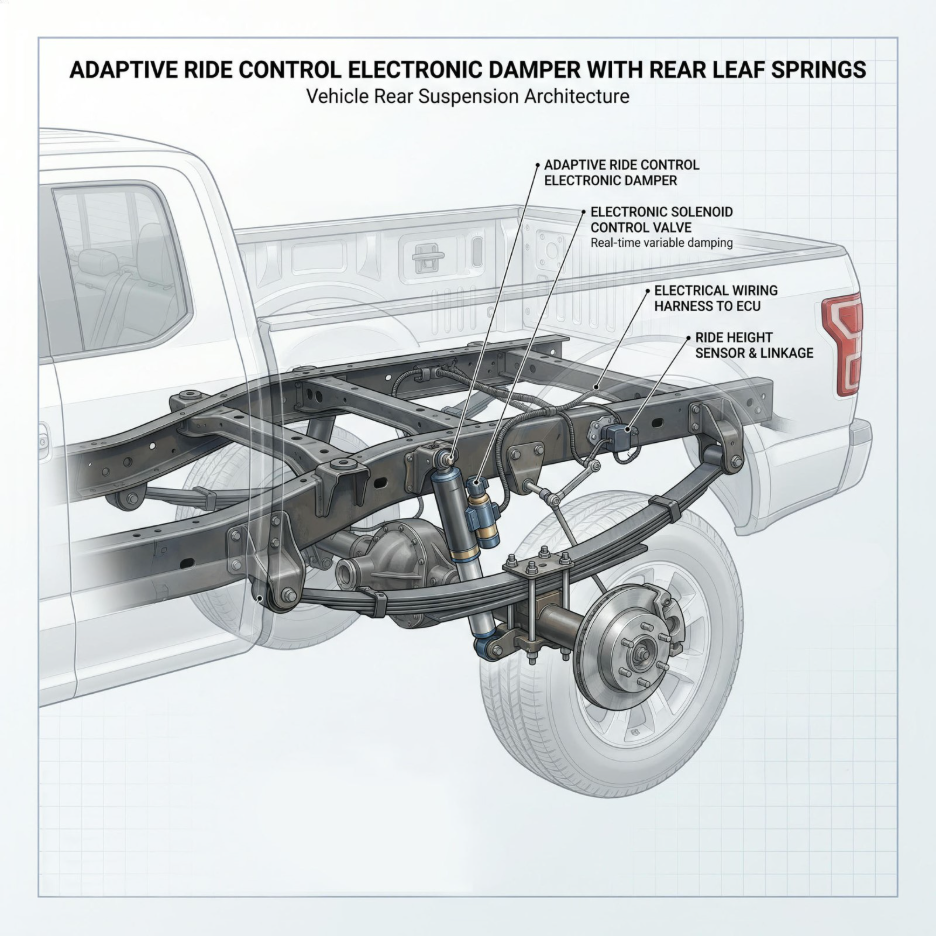
On select Silverado and Sierra 1500 pickups, Adaptive Ride Control (ARC, RPO Z45) adjusts shock damping electronically as road conditions change. These trucks retain their conventional front coil-spring and rear leaf-spring layout. ARC does not mean factory air suspension.
How to identify it: Look for wiring at the factory shocks and confirm Z45 on the vehicle’s build information. Sensors and electronic dampers are not evidence of air springs. Other factory packages, including certain off-road trims and rear spring designs, can further affect kit selection.
MaxTrac options: 3″/1″ ARC leveling kit (MP881931MR) and 2″/4″ ARC lowering kit (KS331924MR). The lowering kit excludes rear composite-monoleaf trucks; review each product’s additional restrictions.
2021–2026 Tahoe, Suburban, Yukon & Escalade: Three Possibilities
These newer SUVs feature independent rear suspension and can be equipped with conventional coil springs, Magnetic Ride Control, or four-corner Air Ride Adaptive Suspension, depending on configuration.
Magnetic Ride Control (MagneRide) — Z95
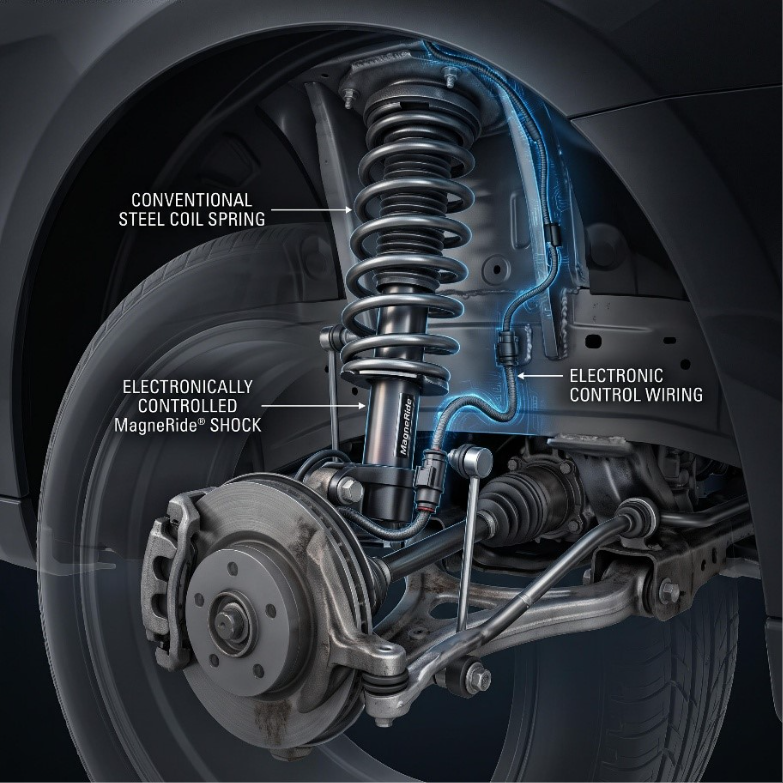
What it does: MagneRide uses magnetic fluid in electronically controlled shocks to adjust damping. It does not automatically raise or lower the SUV.
What to look for: Steel coil springs paired with wired electronic shocks. An SUV with MagneRide alone does not have four-corner air springs.
Air Ride Adaptive Suspension — F47
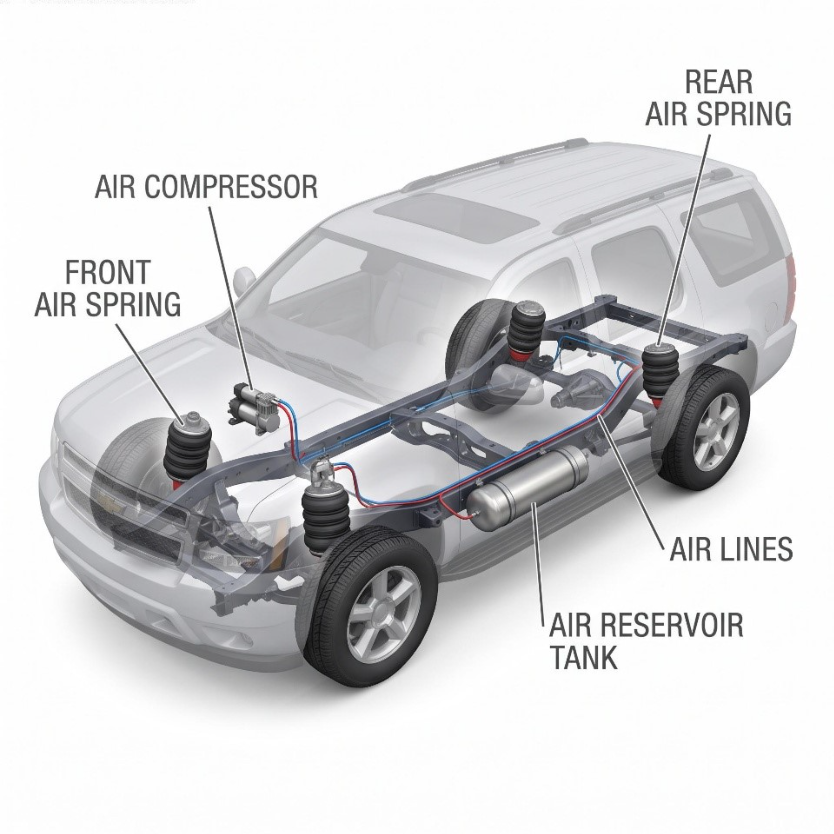
What it does: Air springs support the SUV at all four corners, allowing automatic leveling and selectable ride heights. This system can work alongside MagneRide, which handles damping.
What to look for: Air-spring bellows in place of conventional steel springs, air lines, and ride-height controls. Confirm factory code F47.
MaxTrac options: 3.5″/2″ lift for 2WD MagneRide models (K880832MR)—not four-corner air ride—and 2″/3″ high-clearance lowering kit for applicable MagneRide/Air Ride models (KS330823HC-AR). Check AT4 and other fitment exclusions.
2015–2020 GM Full-Size SUVs: MagneRide with Rear Leveling
Illustration: MagneRide rear air-assisted shock.
Many equipped Tahoe, Suburban, Yukon, and Escalade models use MagneRide (Z95) to adjust damping. Some also use rear air-assisted shocks for automatic load leveling—but that is not four-corner air suspension.
Identify it: Look for electrical shock connectors and, where equipped, rear air sleeves and lines. Confirm Z95.
MaxTrac offers a 2″/3″ MagneRide lowering kit (KC331623A) and a 7″ 4WD MagneRide crossmember lift (K941675MR) for qualifying configurations.
2014–2018 Silverado & Sierra 1500: Conventional vs. MagneRide
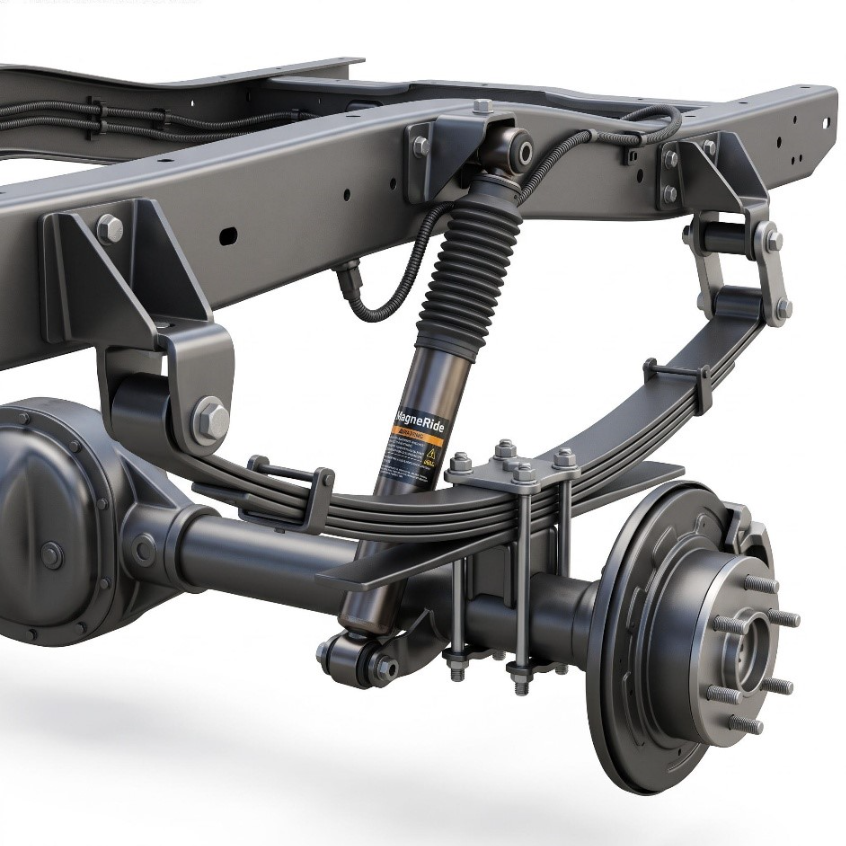
Most trucks in this generation use conventional shocks. Select 2015–2018 Silverado High Country and Sierra Denali models offered Magnetic Ride Control (Z95), which is different from the later pickup ARC system (Z45).
Identify it: Check for wired shocks and verify Z95.
MaxTrac’s 3″/5″ MagneRide lowering kit (KS331535-8M) serves qualifying extended/crew cab trucks with cast-steel control arms. The MP881331 leveling kit is for conventional-suspension trucks and excludes MagneRide.
2000–2014 GM Full-Size SUVs: Autoride in Brief
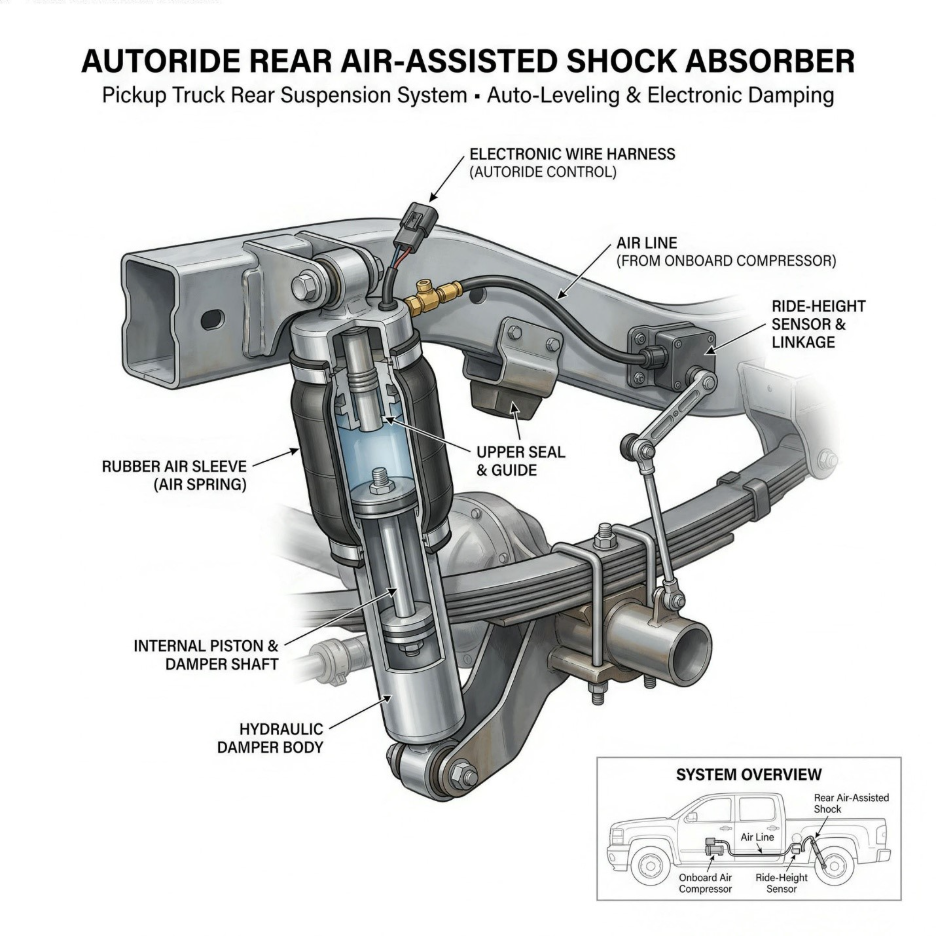
On select Tahoe, Suburban, Yukon, and Escalade models, Autoride (Z55) combines electronic shock damping with rear air-assisted load leveling.
Look for rear air-equipped shocks and a compressor; it is not four-corner air ride.
For example, MaxTrac’s 2007–2014 2″/4″ SUV lowering kit (KS331224) is listed for compatible models with or without Autoride.
How to Confirm Your Suspension Before Ordering
- Check the factory equipment code: Z55 = Autoride; Z95 = MagneRide; Z45 = pickup ARC; F47 = four-corner SUV Air Ride. Check the entire build sheet, not only the trim badge.
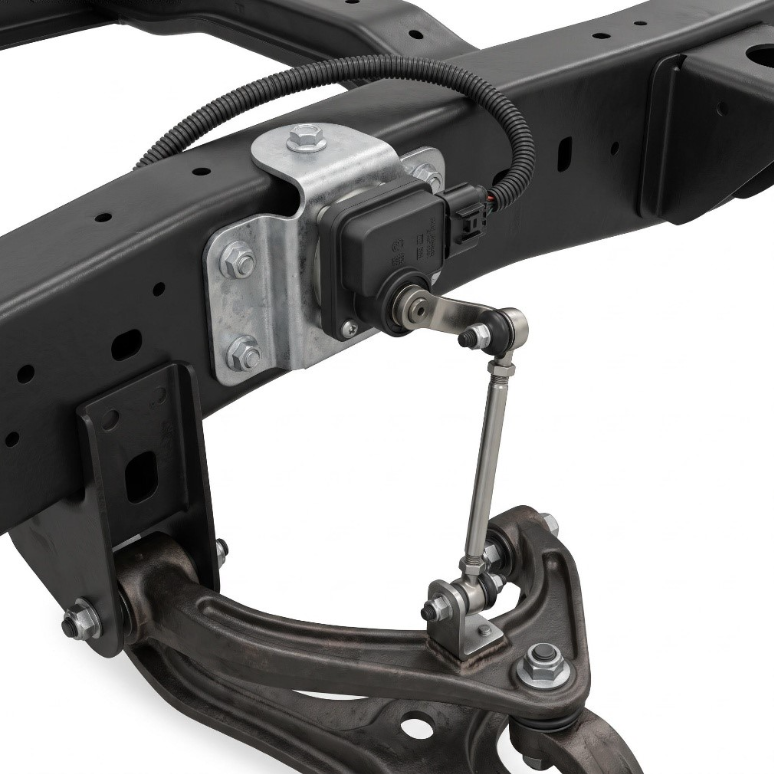
- Inspect the hardware: Wired shocks identify electronic damping; rear air sleeves suggest load leveling; air bellows at all four corners indicate full air suspension. Height-sensor links alone prove neither.
- Match the exact vehicle: Confirm model year, body style, drivetrain, control-arm type, factory off-road package and rear spring type. Ask a dealer to verify original options by VIN if needed.
- Read MaxTrac’s kit footnotes: Sensor brackets or link provisions may be required, and some kits expressly exclude certain factory systems.
The bottom line: Similar suspension names don’t mean interchangeable parts. Identify the factory system first, then select a MaxTrac suspension kit developed for that configuration—or contact our team for fitment assistance.