Suspension Elementary:
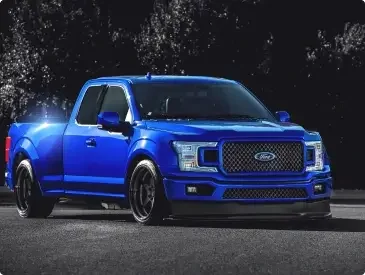
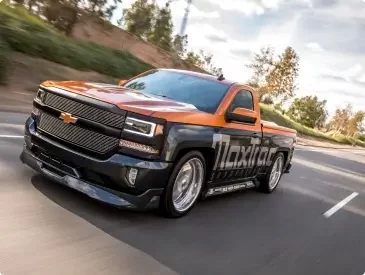
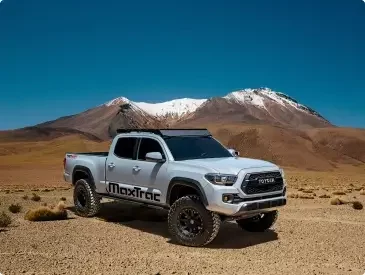
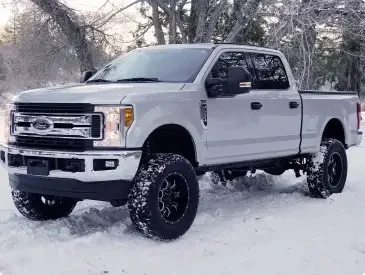
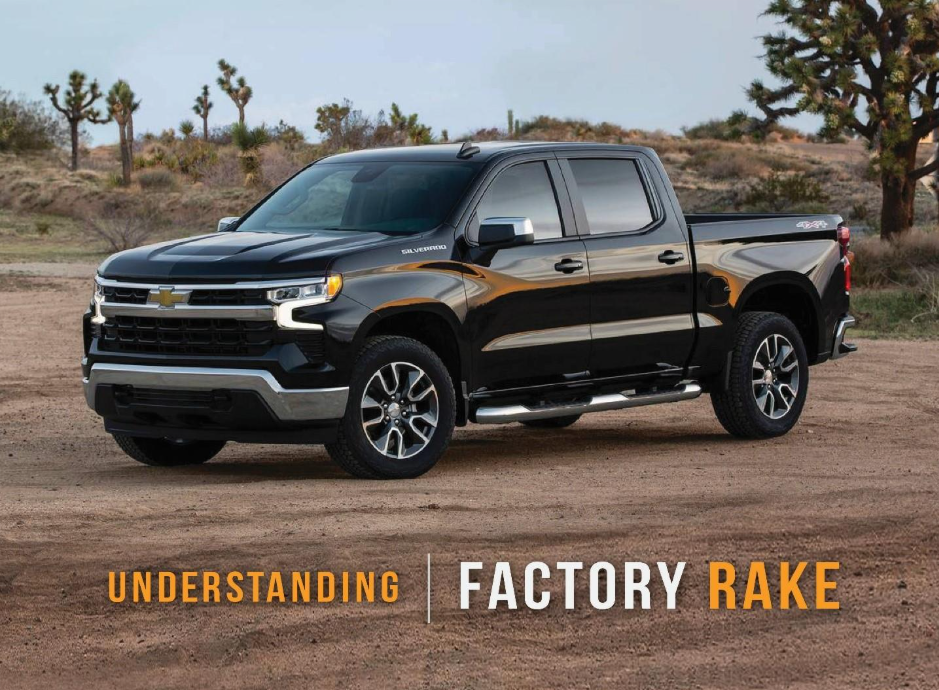
If you take a look at your stock truck or SUV, you may notice that the rear of the vehicle sits higher than the front. This is commonly known as factory rake. Automotive enthusiasts are usually familiar with trucks and SUVs coming rear-high from the factory, but many everyday drivers are not aware of why this design exists.
Some owners feel that factory rake affects the appearance of their vehicle or contributes to a harsher “hit” when driving over bumps. However, this rear-high stance serves an important purpose and can vary depending on the truck model, cab configuration, and weight rating.
One of the most common questions we receive at MaxTrac Suspension is:
“Why don’t your suspension systems lift or lower the vehicle the same amount in the front and rear?”
This blog will help answer that question and explain how factory rake influences the design of our leveling kits, lift kits, and lowering kits.
How Much Factory Rake Do Trucks and SUVs Have?
Most modern trucks leave the factory with approximately 2–3 inches of rake, while most SUVs typically have 1–2 inches. There are exceptions. For example:
- Some single cab trucks may have up to 4 inches of rake
- Certain heavy-duty trucks, such as 2003–2008 Ram 2500/3500 models, may have 4–6 inches of rake depending on configuration
Because ride height varies between vehicles, MaxTrac Suspension includes a Ride Height Measurement Sheet with many of our kits. This allows customers to record before and after measurements to compare changes accurately after installation.
Recording ride height measurements helps account for:
- Factory variations
- Worn or sagging springs
- Previous suspension modifications
- Changes in wheel or tire size
Taking these measurements ensures realistic expectations and helps identify the cause if the final stance differs from what was anticipated.
Why Do Manufacturers Design Vehicles With Factory Rake?
Trucks and SUVs are designed to carry payload and tow trailers. The additional rear height allows the vehicle to settle into a level or near-level stance when weight is added.
Without factory rake:
- The rear of the vehicle would squat excessively when hauling cargo or towing
- Headlight aim and braking performance could be negatively affected
- Overall vehicle handling and safety could be compromised
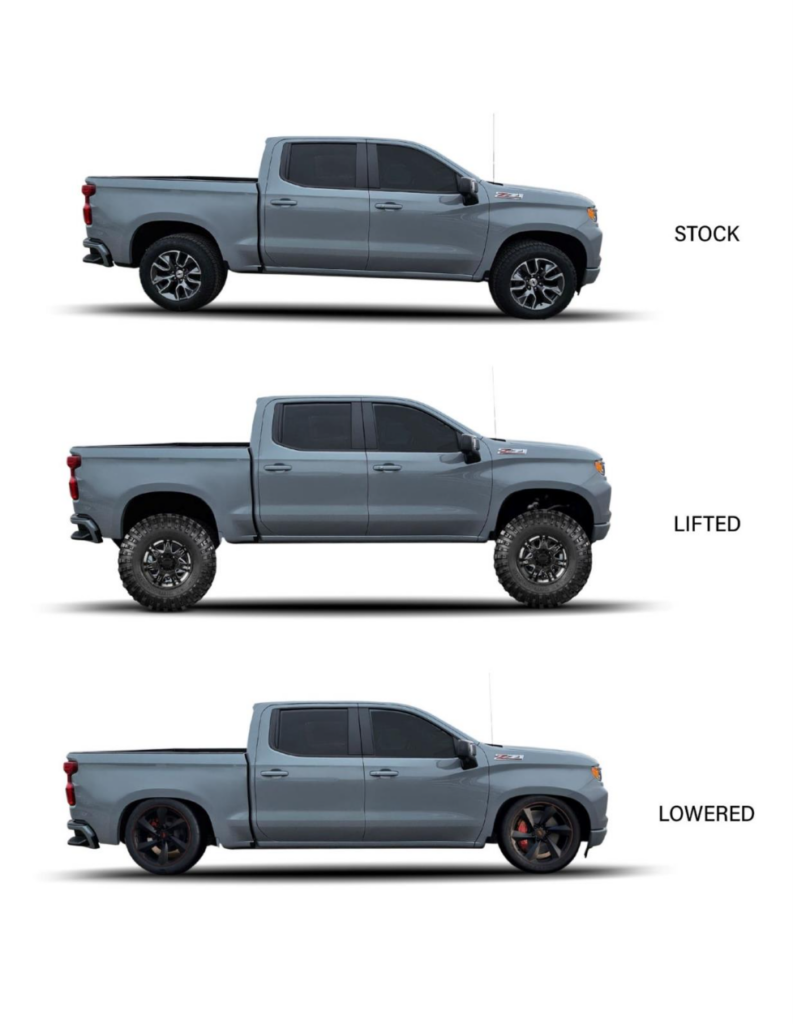
While factory rake serves an important functional purpose, many vehicle owners prefer a more level stance for aesthetic reasons. As a result, most aftermarket suspension kits are designed to reduce or eliminate factory rake while maintaining proper ride quality and performance.
Why MaxTrac Suspension Kits Are Designed the Way They Are
Whether you are installing a leveling kit, lift kit, or lowering kit, most aftermarket suspension systems are engineered to account for the average amount of factory rake. The goal is typically to achieve a level or near-level stance once installed.
However, a perfectly level appearance is not guaranteed in every situation. Variations can occur due to factors such as:
- Unusual factory rake measurements
- Worn or sagging springs
- Previously installed aftermarket suspension
- Added accessories or vehicle weight differences
- Installation variables or expectations not aligned with vehicle measurements
This is why accurately completing the Ride Height Measurement Sheet before installation is extremely important.

Understanding Suspension Kit Measurements
When selecting an aftermarket suspension kit, always measure your current rake and compare it to the specifications provided.
For example, a kit described as a 2/4 lowering kit or 3/5 lowering kit typically assumes approximately 2 inches of factory rake. Understanding how much rake your vehicle has helps set realistic expectations for how the vehicle will sit after installation.
Proper measurement and research will help ensure you choose the correct suspension kit and achieve the desired stance and performance.