SUSPENSION ELEMENTARY
When people shop for a lift kit, one of the first questions they ask is, “How much lift does it provide?”
While ride height is certainly important, it’s only part of the equation. One of the biggest factors affecting ride quality, off-road capability, and overall suspension performance is something many people never think about: suspension travel.
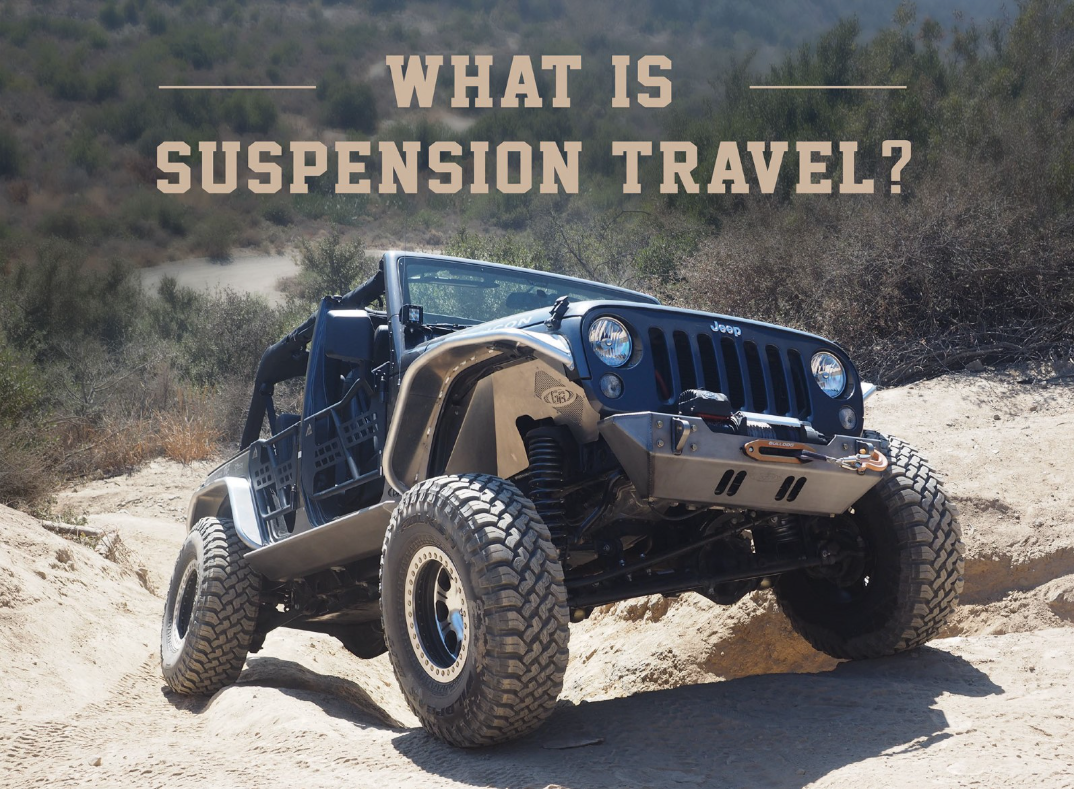
Simply put, suspension travel is how far your suspension can move up and down as you drive. The more effectively your suspension moves through its travel, the better it can absorb bumps, keep your tires planted on the ground, and provide a comfortable, controlled ride.
Let’s break down the three main components of suspension travel.
What Is Droop Travel?
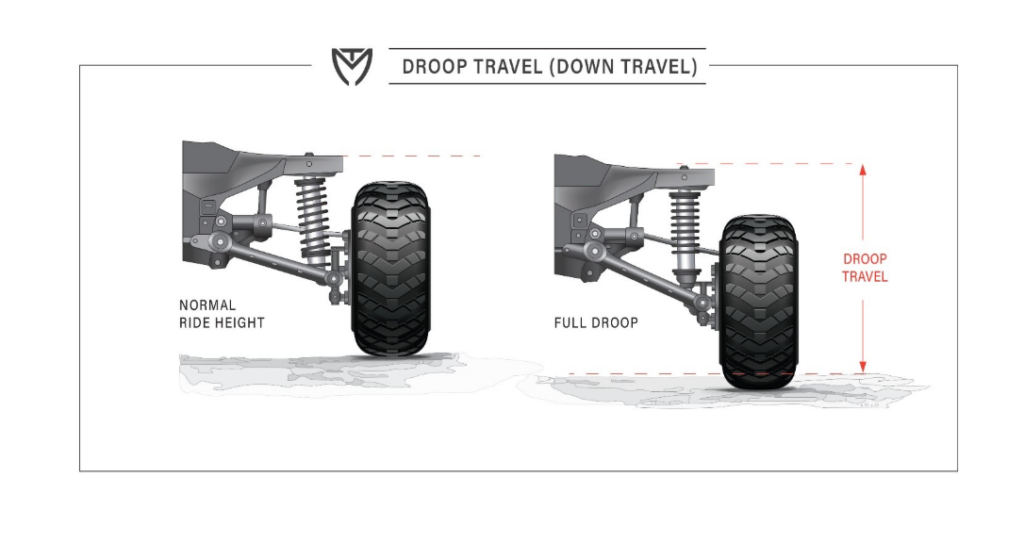
Droop travel, sometimes called down travel, is the amount your suspension can extend downward from its normal ride height.
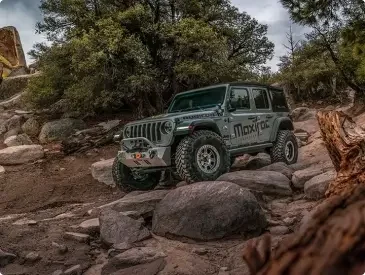
Imagine driving over a hill or crossing uneven terrain. As one wheel drops into a hole, the suspension extends downward to keep the tire in contact with the ground.
The more droop travel a suspension has, the better it can maintain traction on uneven surfaces. Instead of the tire hanging in the air, it stays planted where it can continue doing its job.
Read: Why Are My Tires Wearing Unevenly?
While droop travel is especially important off-road, it also helps improve stability and control on everyday roads with dips, uneven pavement, and changing terrain.
What Is Bump Travel?
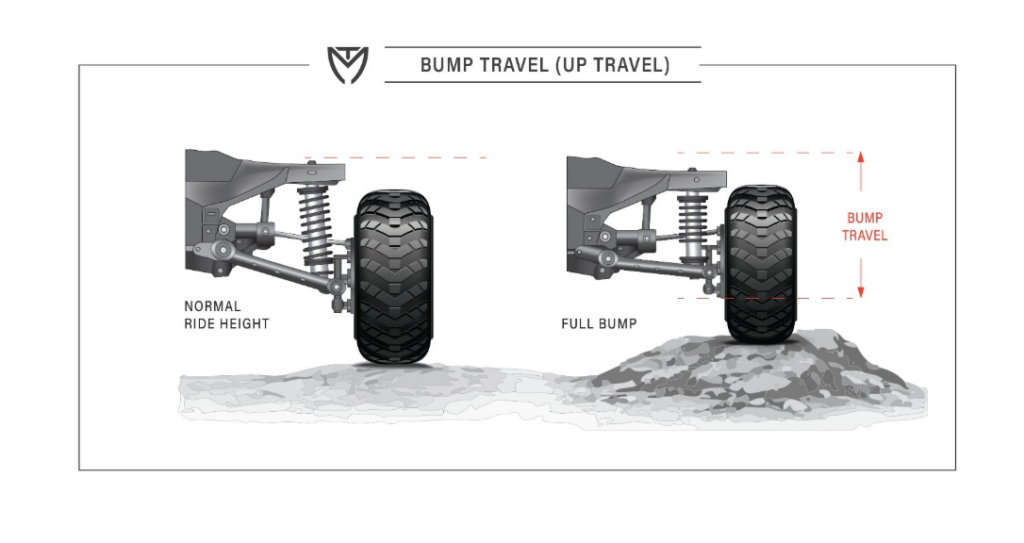
Bump travel, also known as up travel, is the amount your suspension compresses when the wheel moves upward toward the vehicle.
This happens every time you drive over a pothole, expansion joint, speed bump, or rough section of road.
Without enough bump travel, the suspension can “bottom out,” meaning it reaches the end of its available movement before absorbing the impact. When that happens, the ride becomes harsh, uncomfortable, and places additional stress on suspension components.
A properly designed suspension allows enough bump travel to absorb impacts smoothly while maintaining control of the vehicle.

What Is Suspension Articulation?
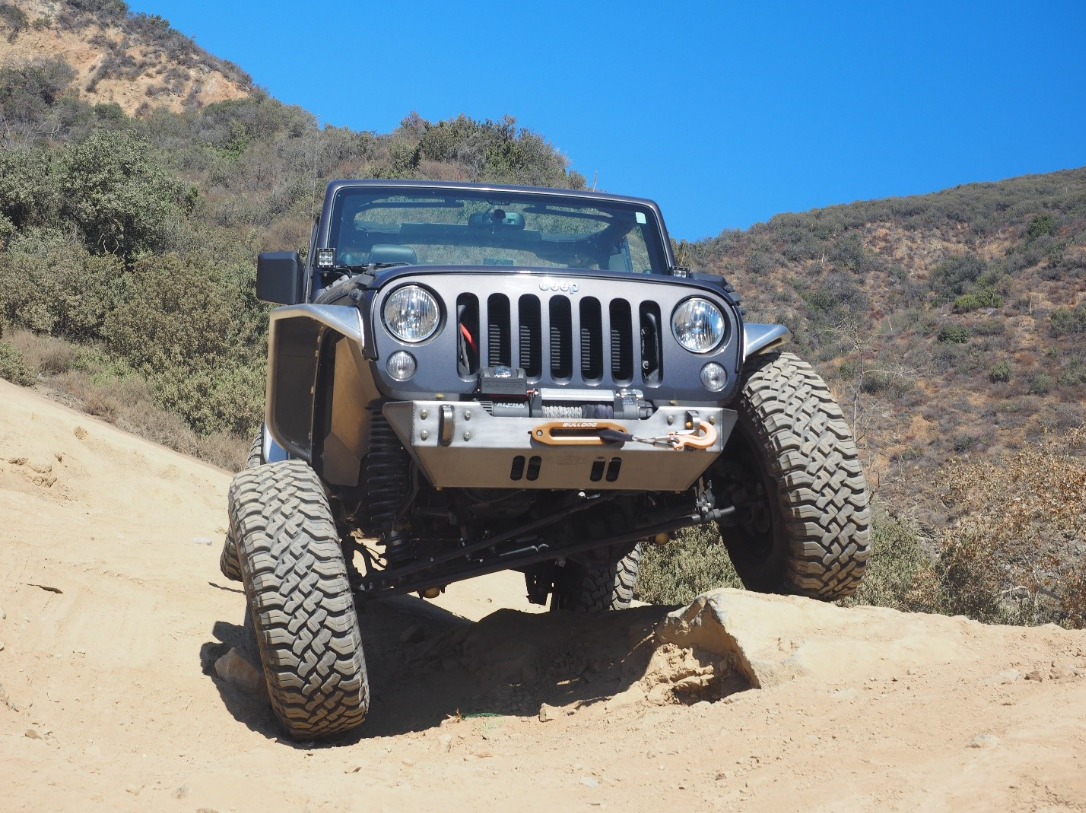
Articulation describes how well the suspension allows the wheels to move independently from one another.
As one wheel compresses upward, another may extend downward at the same time. Together, droop travel and bump travel create articulation.
Better articulation allows all four tires to stay in contact with the terrain for improved traction, stability, and driver confidence.
This is especially noticeable when driving off-road over rocks, ruts, or uneven trails, but even everyday road imperfections benefit from a suspension that moves freely instead of transferring impacts directly into the chassis.
Why Suspension Travel Matters More Than Lift Height
Many people assume a taller truck automatically performs better.
In reality, that’s not always the case.
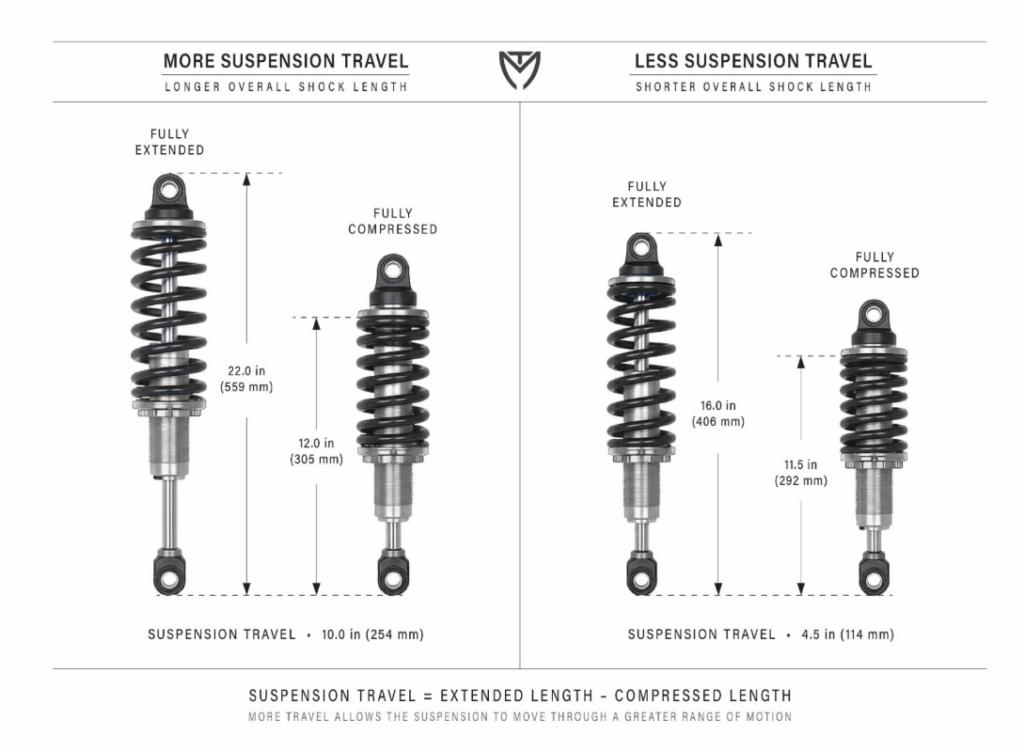
A truck with plenty of usable suspension travel will often ride smoother, handle better, and maintain better traction than a taller truck with limited suspension movement.
Ride height determines where your vehicle sits.
Suspension travel determines how well it handles everything the road throws at it.
That’s why properly engineered lift kits focus on maintaining suspension geometry and maximizing usable travel instead of simply raising the vehicle.
The Bottom Line
Whether you’re installing a leveling kit, lift kit, or lowering kit, suspension travel plays a major role in how your vehicle performs.
Understanding droop travel, bump travel, and articulation helps explain why two trucks with the same amount of lift can feel completely different behind the wheel.
At MaxTrac Suspension, every suspension system is designed with more than just ride height in mind. Our goal is to provide the balance of ride quality, performance, and reliability that drivers expect—both on and off the road.
Because in the end, it’s not just about how high your truck sits. It’s about how well your suspension works.